
Call our team
01484 442420Find An Applicator
Menu
close
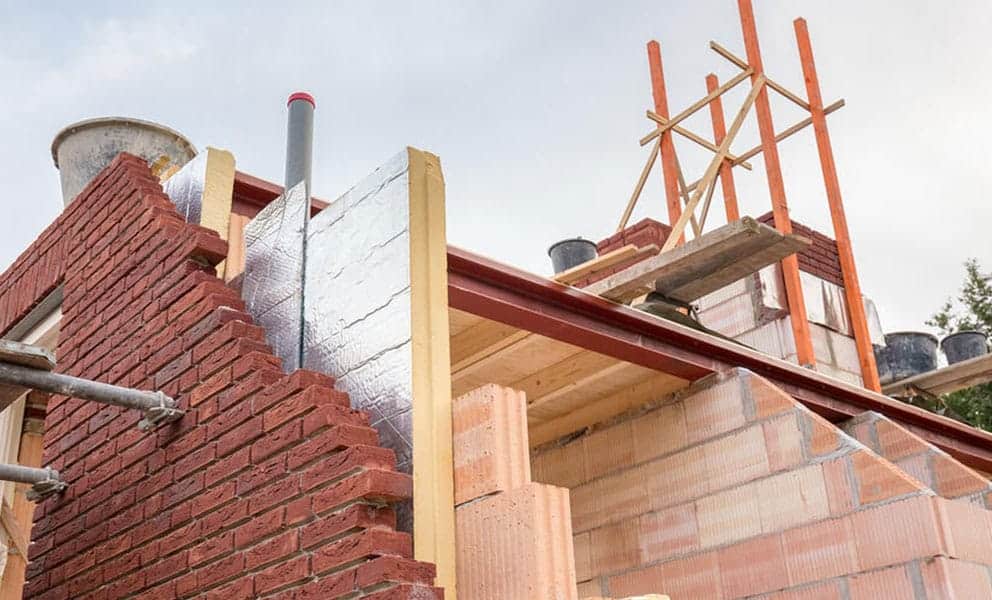
Cavity wall insulation is arguably the most well-known type of wall insulation in the UK. But is it a good idea? It depends on whether or not it’s suitable for the property in question. Read on as we discuss when cavity wall insulation is a good idea – and some instances when it isn’t…
Cavity wall insulation is generally a good idea if you’ve got wall cavities that haven’t been insulated. In truth, this isn’t that common. Most houses built since 1990 have had their walls insulated during construction. Many of those built before then have had the insulation retrofitted over the past few decades.
Regardless, the renovation is typically a good idea because it keeps more heat inside your home. According to the Energy Saving Trust, it could save you between £145 per year for a mid-floor flat and £480 for a detached house, depending on the type and size of property in question.
With a typical installation cost of between £410 and £2,500 for those two property types, respectively, that means you’ll generally have saved back the cost in five years. There’s also the obvious benefit to the environment, with households using less energy to keep their homes comfortable.
The energy- and cost-saving benefits described above only apply if your walls are suitable for cavity wall insulation. Firstly, many people don’t realise their home has solid walls, which don’t have a cavity at all.
However, there are also the more complex reasons regarding moisture to consider. Cavity wall insulation bridges the gap between the inside and outside of your property’s walls. If moisture manages to pass through either side of that boundary, the insulation could be ineffective and even problematic…
One way this can happen is through wind-driven rain. Prevalent on the west coast of Scotland, England and Wales, this precipitation is forced into your wall, allowing it to soak through the brickwork.
When the insulative material gets wet, it will be ineffective for heat retention. It will also transfer that moisture to the other side of your wall.
Another instance where cavity wall insulation isn’t a good idea is when you have an existing damp problem. In this case, the moisture could be coming from the inside of your property. As above, any moisture getting through to the cavity will render the insulation ineffective. It could also cause the moisture to spread and make your damp problem worse.
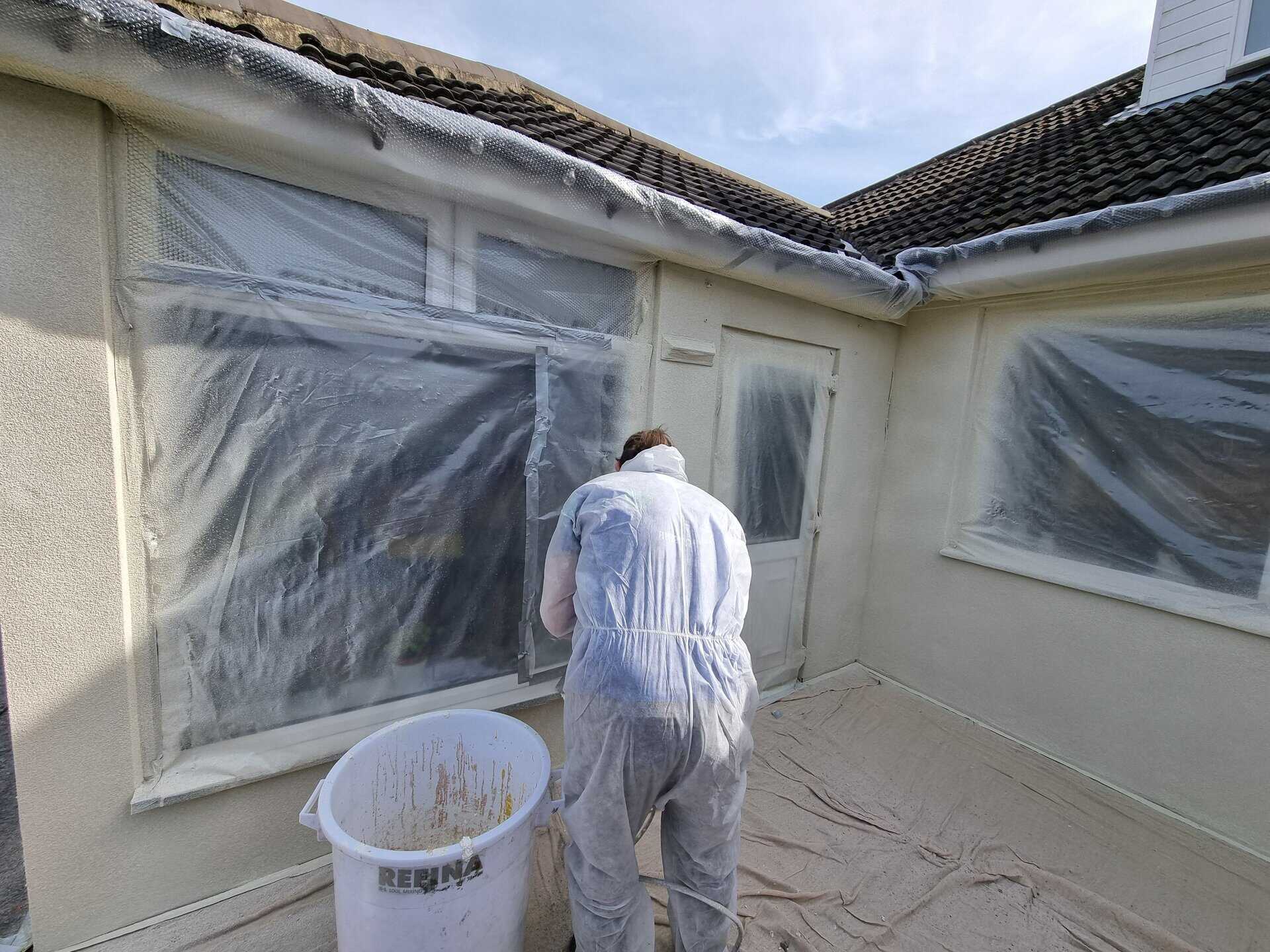
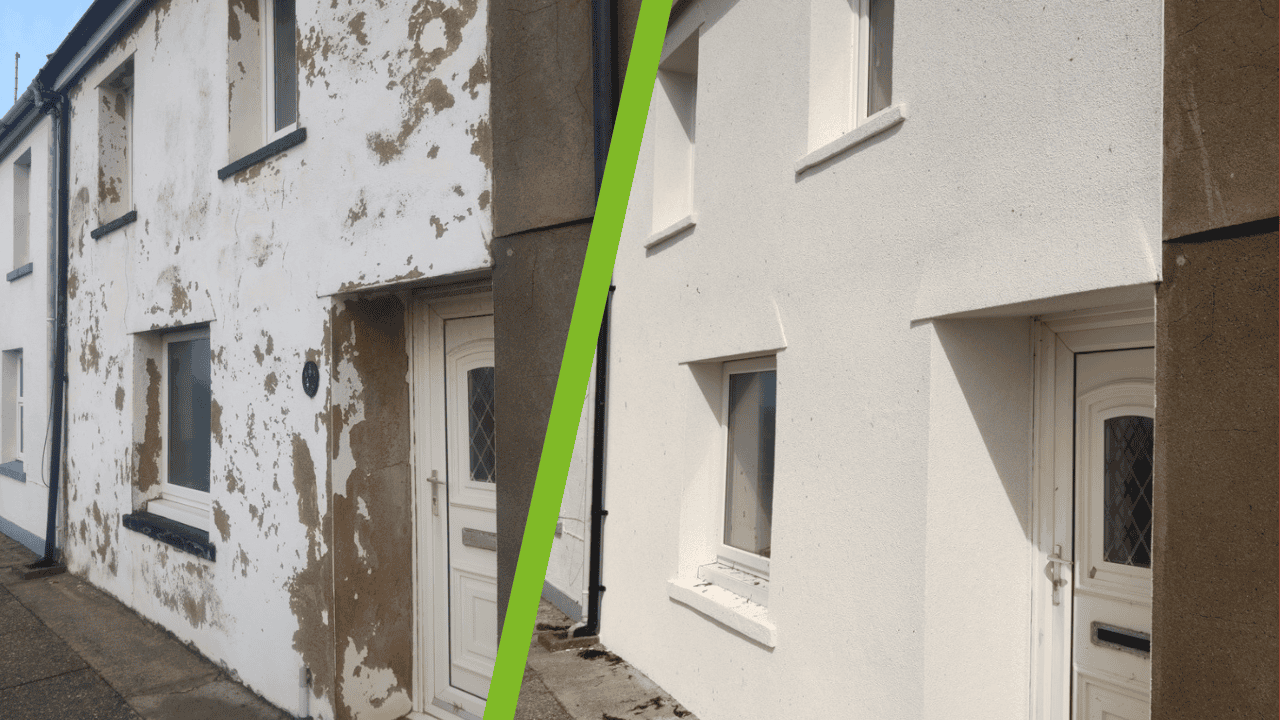
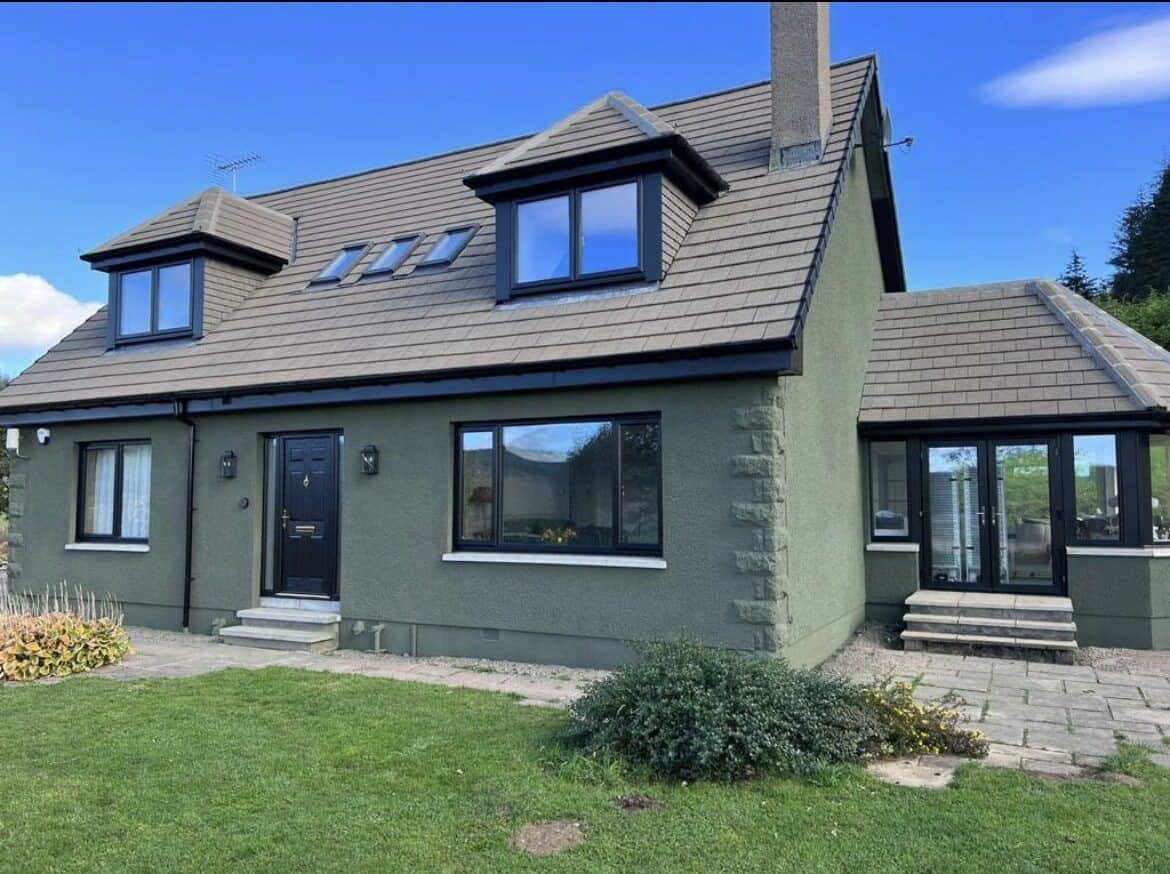
If either of the above applies to you, cavity wall insulation is not a good idea. Thankfully, there is an alternative. A sprayed cork coating can be applied to either the inside or outside of your walls to stop heat passing through.
If your property is exposed to wind-driven rain, an external coating will add a weather-resistant layer to the outside of your home while reducing your bills by 15%.
Alternatively, if you’ve got a damp problem inside, an internal coating could solve that, as well as improving insulation, thanks to its breathability and damp-resistance.
To find out more, contact CorkSol today on 01484 442420 or email [email protected].
"*" indicates required fields