
Call our team
01484 442420Find An Applicator
Menu
close
Cold walls are present on countless buildings up and down the UK – and they can be incredibly frustrating. Thankfully, they’re not something you have to put up with. Read on as we outline the problems with cold walls, what causes them and how to insulate a cold wall from the inside.
Cold walls are exactly as their name suggests – walls with a low temperature, that are cold to touch and pretty cold to be near, too. They’re situated at the edge of buildings, where the wall separates the inside from the outdoors.
The first problem with cold walls is the reason they’re cold – a lack of insulation. Without adequate insulation, they’re not keeping heat inside your home. As well as making them cold, that makes it harder to maintain a comfortable temperature, causing your energy bills to rise as you crank up the thermostat or leave the heating on for longer.
Secondly, there’s the knock-on effects of a cold surface in your home. As you may have noticed on windows, cold surfaces attract moisture which forms as condensation. Over time, this can lead to problems with damp and mould. In turn, that poses problems for your health, including respiratory infections, allergies, asthma and immune system issues.
Insulating a cold wall is the only way to truly eliminate the issues above. Here’s how you do it from the inside and outside…
Cavity wall insulation is the traditional way to insulate exterior walls on your home. Unfortunately, it’s not suitable for solid walls (as they don’t have a cavity) and any walls exposed to wind-driven rain. The latter can soak brickwork, dampen insulation, and render it useless.
One alternative is insulation boards or panels, although their bulk often requires adjustments to any fittings on your walls – making the process quite tricky. Instead, an insulative exterior wall coating can be applied to the outside of your cold wall to keep the heat in without the need for adjustments.
Insulating a cold wall from the inside is probably the easiest way to fix the problem. As above, you have the option of insulative panels or boards. In this case, their bulkiness will eat away at your living space, which isn’t ideal in any home.
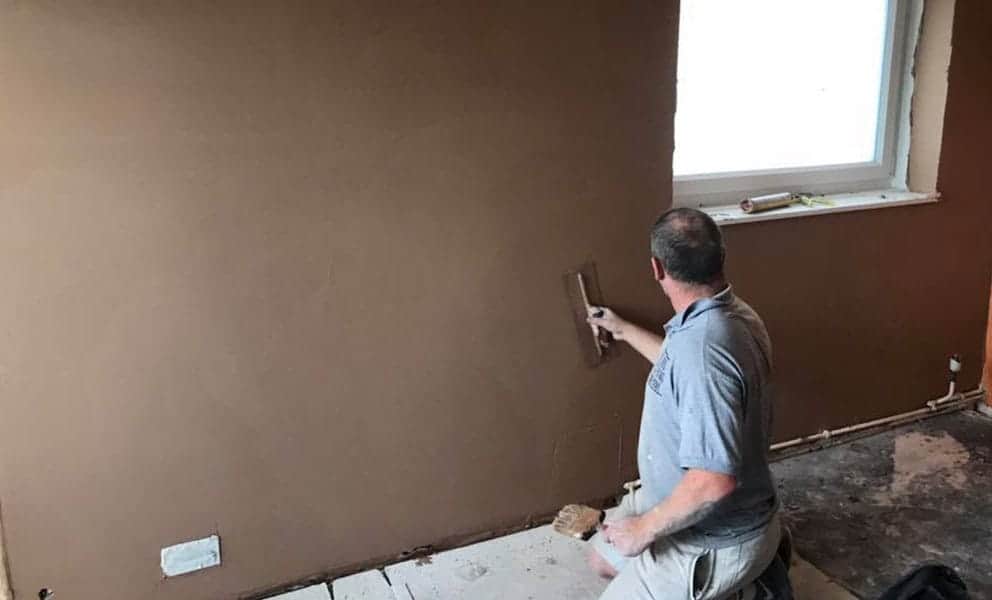
Another option is a thermally efficient wall coating which can simply be sprayed on and skimmed over. The final coating is just 8mm thick, yet seven or eight times more insulative than traditional renders.
If you’re wondering how to insulate a cold wall from the inside, CorkSol has the answer. Our innovative SprayCork coating can be applied to interior walls to stop heat passing through. As well as reducing your heating bills by up to 15%, it’s completely breathable and moisture resistant to eliminate damp.
Want to find out more about our internal coating? Contact the CorkSol team on [email protected] or 01484 442420.
"*" indicates required fields