
Call our team
01484 442420Find An Applicator
Menu
close
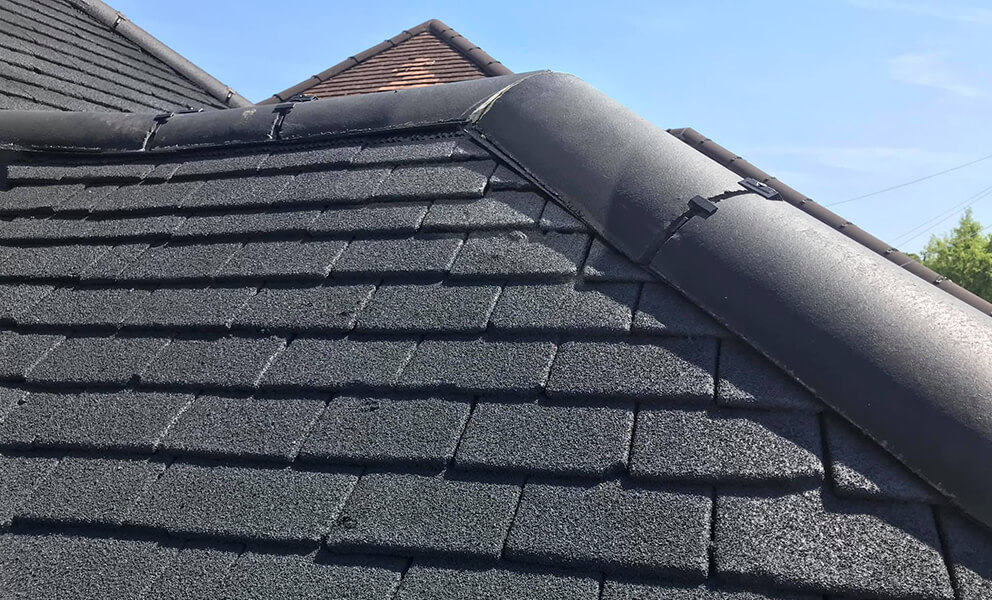
Whether you’re a property owner comparing protective roof coatings or a contractor looking for the best waterproof roof coating for your customers, you’re sure to find a whole range of popular options out there. But which is best when it comes to keeping water out?
Water-resistance is number one priority for any roof, so you’ll want to make sure you’re using the best rated roof coating available. In this post, we’ll compare some of the options and weigh up their pros and cons.
A rubber roof coating – also known as liquid rubber – is one of the most common materials used to waterproof flat roofs. However, it doesn’t come without its drawbacks.
While a full coating of rubber will protect your roof from the elements, it’s quite easily damaged. Debris in high winds or just someone knocking the coating while walking on the roof could penetrate the surface and compromise its waterproof qualities.
There’s also the risk of shrinkage over time. The constant fluctuation of the weather from hot to cold will see your rubber roof coating contract and expand, which could eventually cause it to crack within a few years.
While rubber roof coatings can be applied directly to a roof’s decking boards, acrylic roof coatings are typically used on top of another more substantial roofing material. The water-based solution can restore and protect single-ply, metal and rubber roofs.
The main benefit of acrylic roof coating is that it’s pretty cheap. As a water-based solution, it’s a cost-effective way to add more water resistance to an existing roof. However, as you can expect, it’s hardly a long-term solution. The constant battering from the weather will soon see the acrylic roof coating wear away.
Asbestos roof coating was one of the most popular solutions in the 20th century, with great water-resistance and heat retention among its benefits. Over time, it became clear that the fibres released by asbestos were highly dangerous.
Many people who worked with asbestos have since developed health issues related to the substance. But the dangerous fibres can also be released when it starts to degrade. That’s why, nowadays, the main task is coating over that asbestos to stop fibres being released.
If you want the best of both worlds from a waterproof roof coating, it’s hard to find a better fit than cork spray roofing. The protective roof coating is completely waterproof but also lightweight and easy to apply, meaning large areas can be coated quickly and effectively.
Because it combines the natural elasticity of cork with the properties of acrylic, it’s resistant to cracks from changing temperatures. It can even be used to encapsulate asbestos fibres, with no disturbance of the asbestos and protection for up to 200 years.
Unlike many other roof coating options, SprayCork boats impressive noise insulation qualities too. It can absorb as much as 38dB, creating a more peaceful environment inside your property.
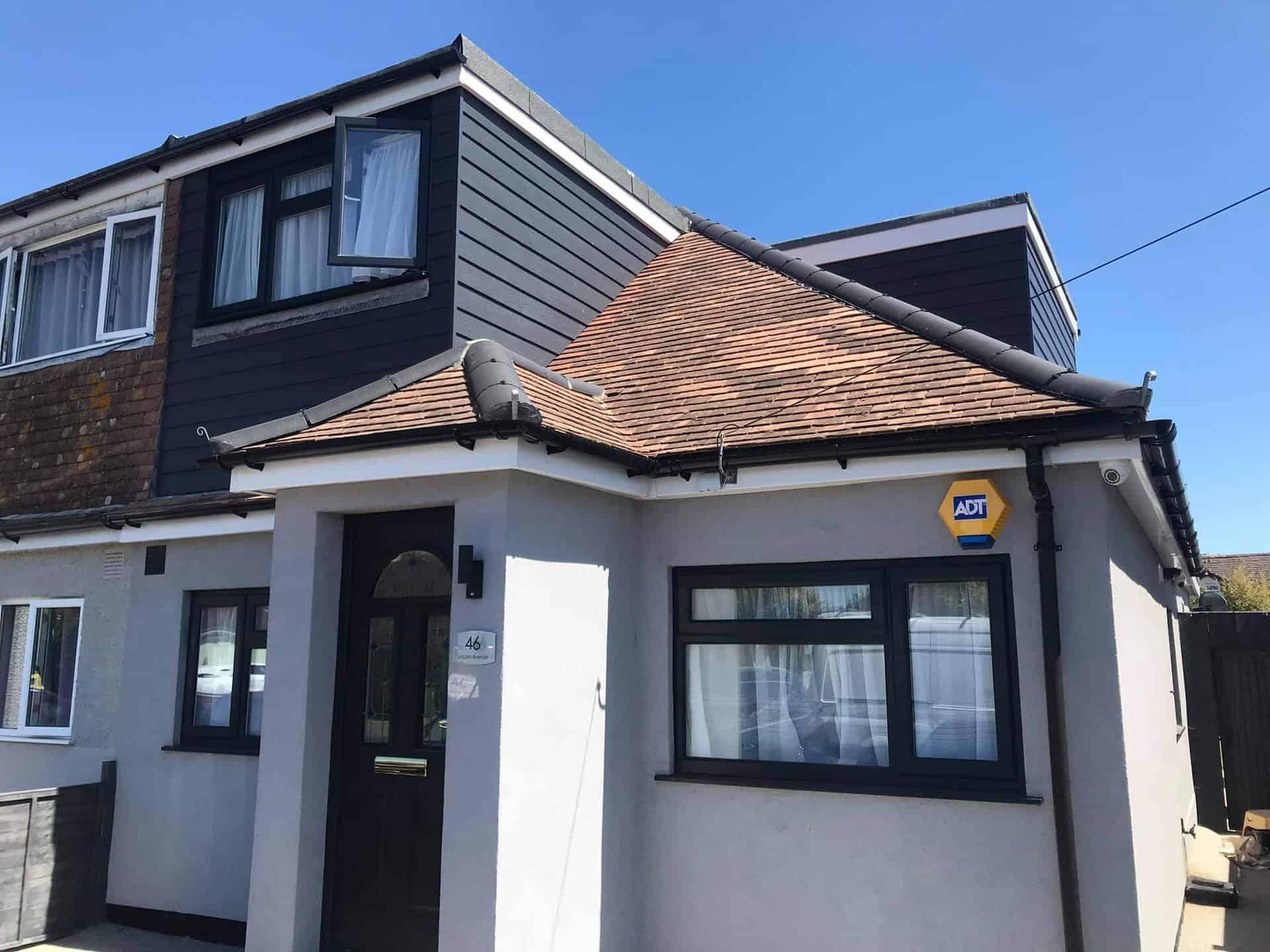
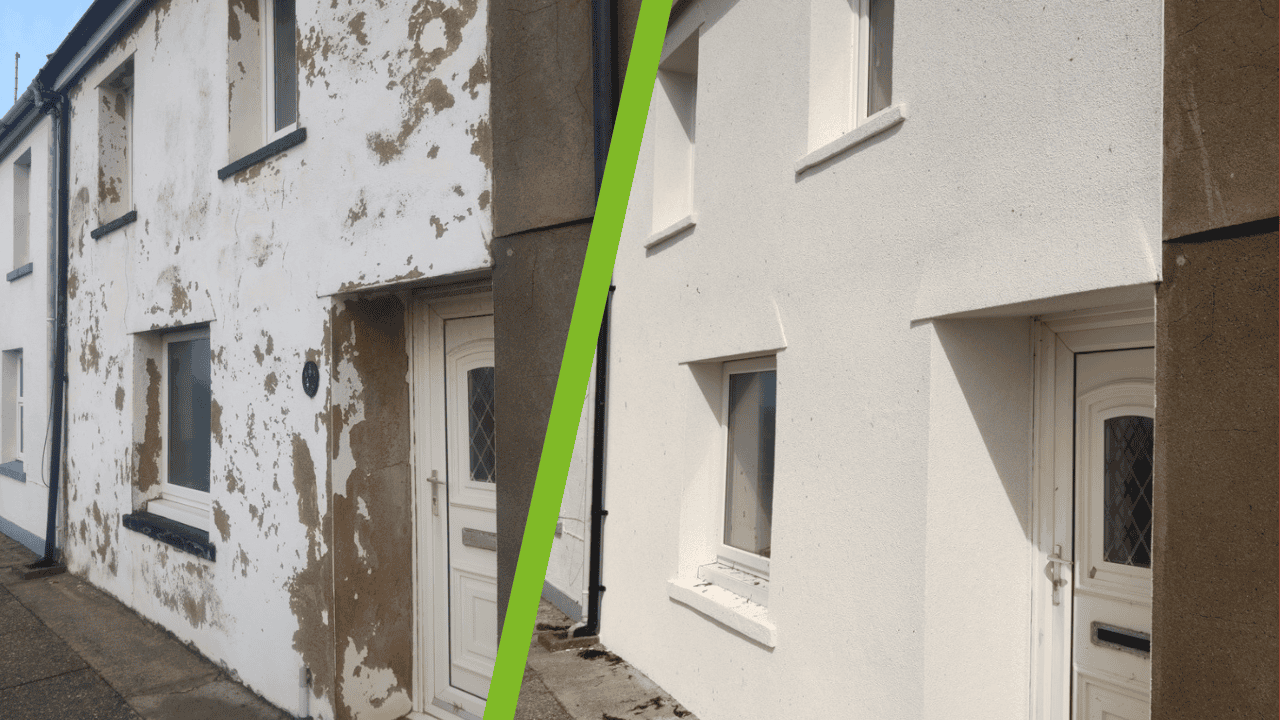
Before our spray cork roof coating was applied
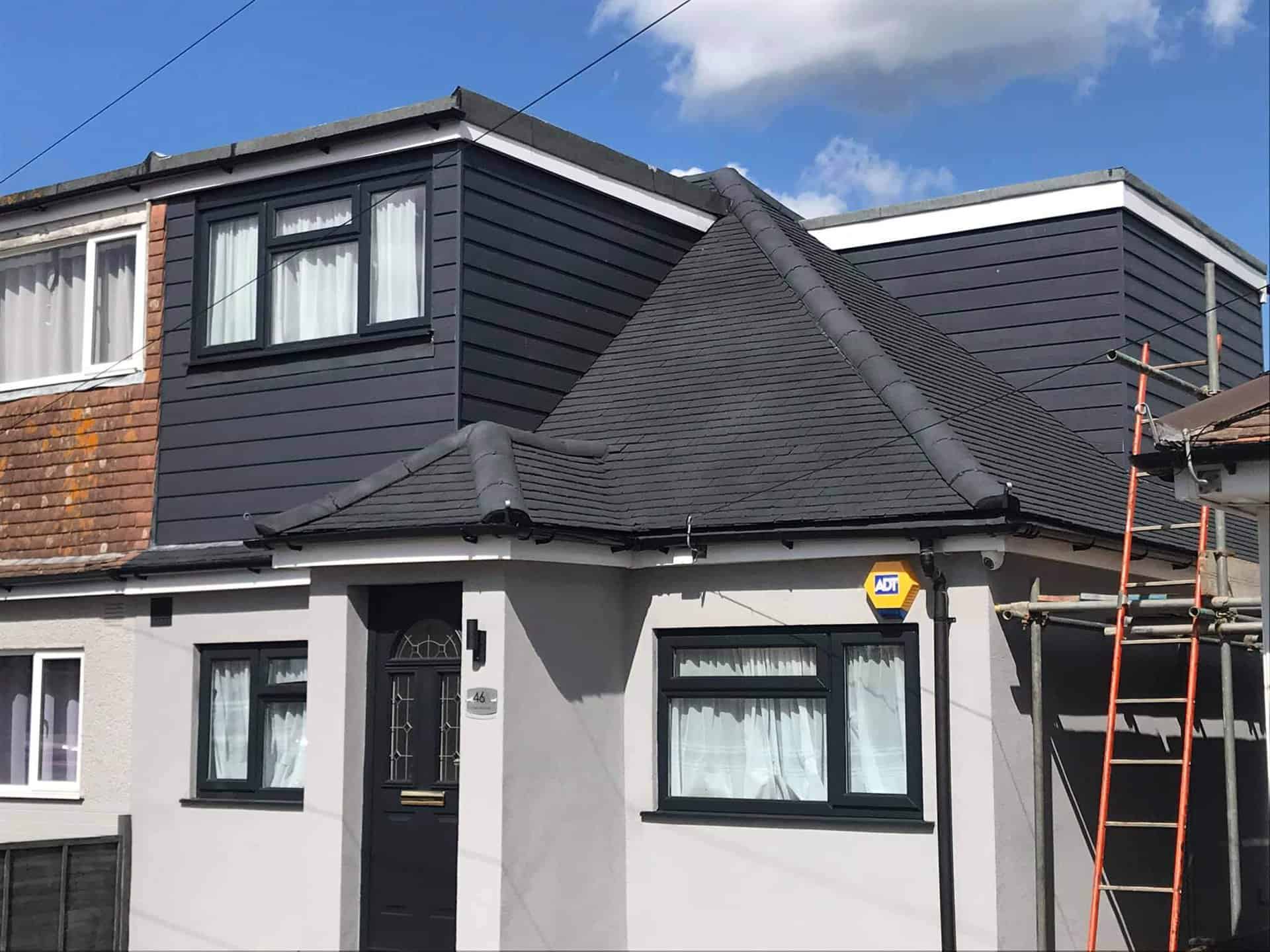
After our spray cork roof coating was applied
You may be wondering which types of roofs are suitable for the best waterproof roof coating options. Below, we look at four different roof types which may require coating and some considerations when choosing the best coating for your needs.
As you can see from the images above, a waterproof roof coating can be used on a conventional pitched roof like those found on houses throughout the UK. It bolsters the water-resistance of a pitched roof, allowing water to run straight off it and into the gutters.
Additionally, SprayCork gives the roof a new lease of life visually. The old, worn tiles are coating in a modern grey shade which matches the existing dormer. SprayCork is available in a wide range of colours, so you can customise your roof like never before.
Flat roofs are a little different when it comes to the best rated waterproof coating. That’s because there are actually a wider range of materials which can be used. The likes of GRP and EPDM roofing can be used on flat roofs due to their lower slope of less than 12.5 degrees.
On the other hand, a cork-based roof coating is suitable for roofs with a pitch of 4 degrees or more. It’s worth checking the slope of your flat roof, as this may determine the best waterproof roof coating available.
Conservatory roofing is another area where SprayCork shines. The thin coating can give a new lease of life to existing conservatories – especially those where the temperature is known to fluctuate.
While the best-rated roof coating might normally be solely about waterproofing, conservatory roofs also require thermal insulation. Without it, the space can become far too hot in summer and too cold in winter.
SprayCork adds a layer of thermal insulation which blocks the sun’s UV rays from conventional glass or polycarbonate roof panels. You still get plenty of light from the conservatory’s windows, but with a much more comfortable space.
As well as improving your conservatory’s function, a SprayCork Coating gives it a fresh, new look in your choice of colour.
Finally, there are industrial roofs, which are particularly difficult to replace and repair due to the sheer size of them. Again, SprayCork can be used to improve waterproofing, add insulation and improve the building’s appearance.
It can be applied to corrugated roofing sheets, which are a cost-effective option for industrial roofs. As mentioned earlier, SprayCork can also encapsulate asbestos fibres with a 15-year warranty, which is a quicker and cheaper alternative to removing asbestos from your roof altogether.
Cork spray roofing is one of the best rated roof coatings for both pitched and flat roofs. It adheres to a range of surfaces to provide an effective, protective roof coating for years to come. But don’t just take our word for it. Find an approved applicator near you to put CorkSol sprayed coatings to the test.
Photo credit: Sussex Eco Coatings
"*" indicates required fields